
When Amazon secured the rights to adapt the sprawling universe of Warhammer 40,000, executives envisioned a global phenomenon — a prestige epic with the scale of dragons and dynasties. The comparison to Game of Thrones was inevitable: morally complex, visually massive, culturally dominant. But inside development rooms, a fundamental battle reportedly began over one question — how dark is too dark?
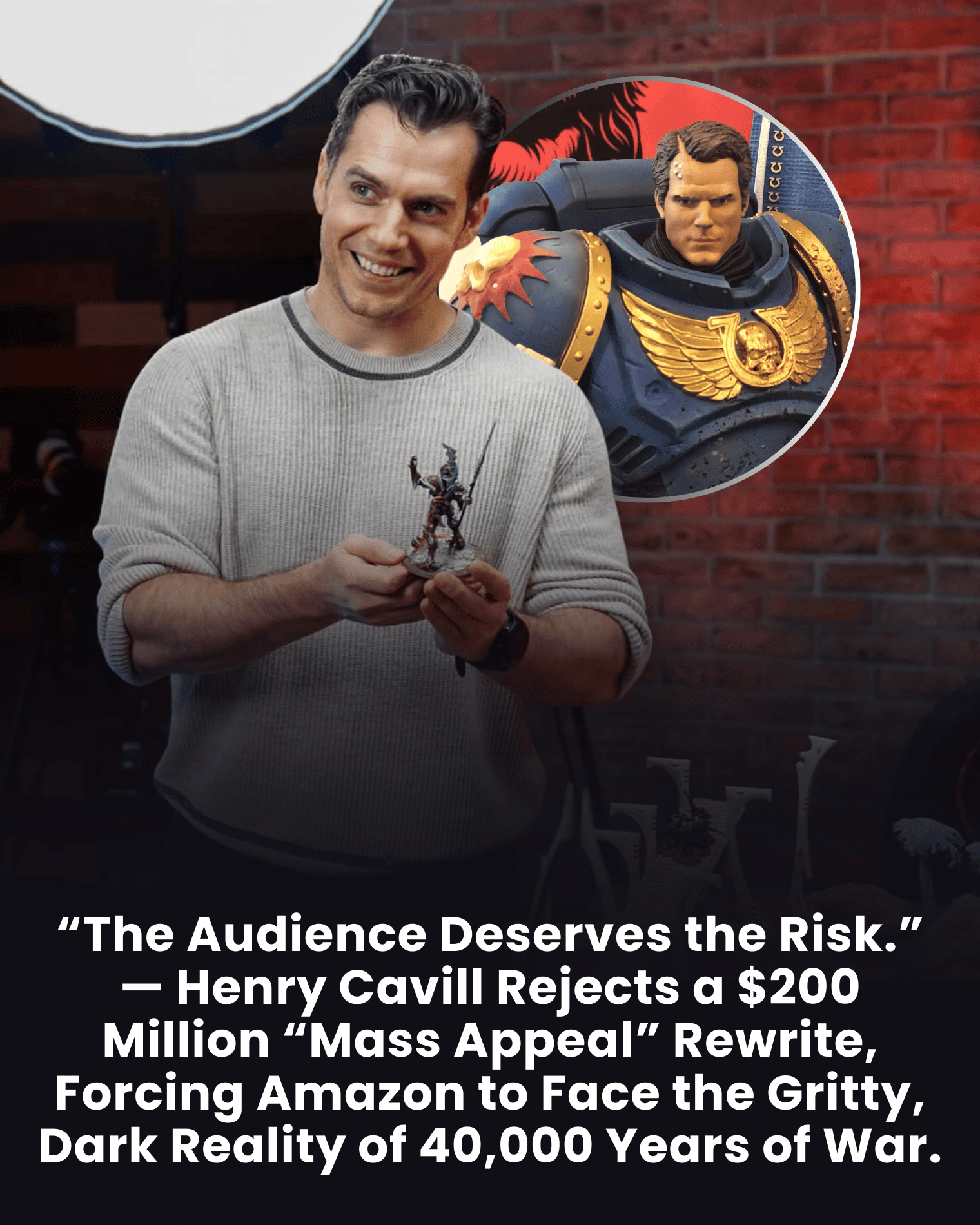
At the center of that debate stands Henry Cavill, not just as a leading man, but as an executive producer and longtime devotee of the franchise. Unlike many adaptations shepherded by casual admirers, this one has a steward who has spent years painting miniatures and memorizing lore. For Cavill, Warhammer is not a brand. It is a belief system built on brutality, sacrifice, and the uncomfortable truth that in its universe, there are no true heroes — only survivors.
Sources close to the production suggest that a major rewrite — one reportedly budgeted at nearly $200 million — attempted to smooth the edges. The protagonist was reshaped to feel more traditionally heroic, more accessible, more "relatable" to a broad four-quadrant audience. The tone was softened. Moral clarity was sharpened. Violence was tempered toward a safer rating.
Cavill, according to insiders, pushed back hard.
Warhammer 40,000 is famously "grimdark" — a dystopian future where humanity survives not through nobility, but through endless war. The Imperium of Man is authoritarian. The alien threats are merciless. Even the genetically engineered Space Marines are less saviors than weapons. To polish that reality into something comfortably heroic, Cavill reportedly argued, would betray the DNA of the franchise.
"If we don't make it dark, we aren't making Warhammer," he is said to have told a room of executives, gesturing toward stacks of lore books that outline four decades of intricate storytelling.
The tension is understandable. Streaming platforms operate on scale. They chase global appeal, subscriber growth, and repeatable formulas. A PG-13 tentpole with clean moral arcs is easier to market than a morally ambiguous epic steeped in gothic fatalism. But Warhammer's fanbase — fiercely loyal and deeply knowledgeable — has sustained the universe precisely because it refuses comfort.
Cavill's stance appears rooted in a simple philosophy: the audience deserves the risk. To him, fans are not casual consumers. They are custodians of a world built across tabletop battles, novels, and codices. They would notice if the brutality were diluted, if the existential dread were swapped for tidy redemption.
This is not the first time Cavill has publicly advocated for fidelity to source material. His tenure on The Witcher was marked by similar reports of creative disagreements over tone and lore. In Warhammer, however, the stakes feel even more personal. This is a universe he loved long before Hollywood saw its potential.
The clash between corporate caution and uncompromising darkness is far from resolved. December deadlines loom. Creative principles must align. Yet Cavill's resistance signals something rare in franchise filmmaking — a star willing to risk mainstream safety for authenticity.
Warhammer 40,000 does not promise hope. It promises endurance in a galaxy that has forgotten mercy. To sand down that reality for comfort would be to misunderstand it entirely.
Whether Amazon ultimately embraces that grim truth remains to be seen. But for now, the message from its most passionate champion is clear: in a universe defined by 40,000 years of war, the darkness is not a flaw.
It is the point.