
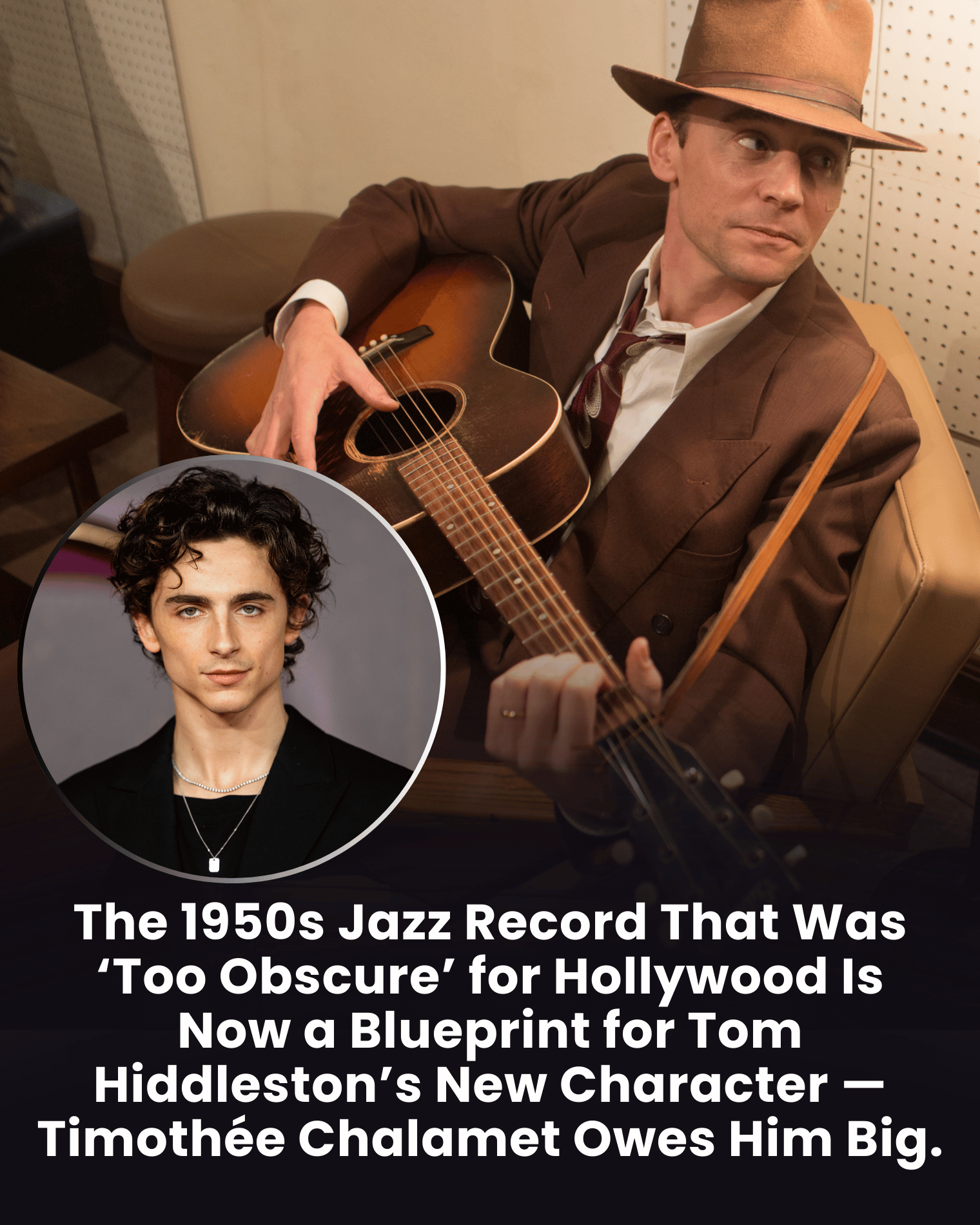
In preparation for one of the most intriguing roles of his career, Tom Hiddleston has reportedly taken an unusually deep dive into the world of mid-century jazz. The British actor, known for his meticulous approach to character building, is preparing to portray a jazz poet in an upcoming 2026 biographical film set in the smoky, intimate music scene of the 1950s. To fully understand the emotional language of that era, Hiddleston immersed himself in the music and persona of legendary trumpeter and vocalist Chet Baker, whose delicate, introspective style defined the "Cool Jazz" movement.
While many modern audiences associate jazz biopics with more recognizable icons, Hiddleston reportedly became captivated by an obscure recording from Baker's early catalog—an album that had long been overlooked by mainstream Hollywood storytelling. The record, now more than 80 years old, captured the restrained elegance and fragile vulnerability that defined Baker's sound. Instead of explosive solos or theatrical performances, the music relied on subtle phrasing, breath control, and quiet emotional tension. That understated atmosphere ultimately became the foundation for Hiddleston's portrayal.
According to reports from the production team, Hiddleston approached the project almost like a musician preparing for a performance rather than an actor memorizing lines. He spent months studying Baker's recordings, analyzing the way each note seemed to float effortlessly between confidence and melancholy. The actor reportedly described the process as learning to "act through the breath" of the music—allowing silence, pauses, and physical stillness to communicate emotion just as much as dialogue.
This dedication did not remain limited to his own performance. Hiddleston also became an informal mentor to several younger actors involved in the project, including Timothée Chalamet. Known for his own immersive acting style, Chalamet was reportedly fascinated by Hiddleston's research process. During rehearsals, Hiddleston encouraged his fellow performers to listen carefully to how jazz musicians breathe between phrases, explaining that those quiet moments often reveal more about a character's inner world than spoken words.
The guidance quickly shaped the tone of the film itself. Directors and cinematographers began leaning into the aesthetic inspired by the music—dim lighting, smoky interiors, and long contemplative shots that mirror the mood of Cool Jazz recordings. Rather than presenting the jazz era as flashy spectacle, the production embraced a more introspective atmosphere that reflects the emotional subtleties of Baker's work.
Film historians note that this approach represents a shift from how jazz has often been portrayed on screen. Hollywood traditionally focuses on the explosive energy of big band performances or the rebellious edge of bebop. By contrast, the Cool Jazz movement of the 1950s emphasized restraint and elegance. Its musicians cultivated a softer, almost cinematic sound that invited listeners to lean in rather than be overwhelmed.
Hiddleston's commitment to that philosophy has reportedly influenced every creative aspect of the project, from costume design to camera movement. The wardrobe reflects the understated sophistication of the era—tailored suits, muted tones, and minimalist styling—while the cinematography favors lingering close-ups that capture subtle emotional shifts.
As early buzz builds around the 2026 film, many industry observers believe Hiddleston's meticulous research could spark a broader revival of Cool Jazz aesthetics in cinema. Just as earlier films helped reintroduce audiences to blues or soul traditions, this project may inspire renewed appreciation for the introspective sound that artists like Chet Baker pioneered.
For Tom Hiddleston, the role represents more than another performance. It is an exploration of how music, history, and character can intertwine. By tracing the quiet emotional language hidden inside an overlooked jazz record, he has not only shaped his own character but also influenced the entire creative direction of the film. And if the early reports are accurate, younger stars like Timothée Chalamet may carry those lessons forward, proving that sometimes the most powerful acting begins not with dialogue—but with a single breath.